Practising Stillness in Product Work
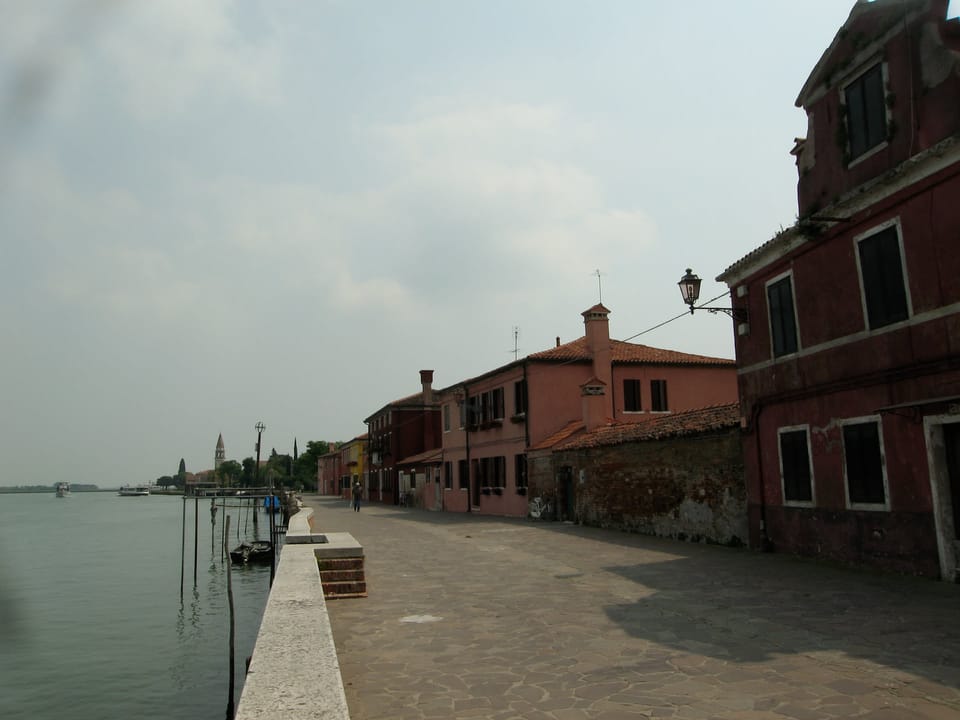
There is a particular kind of tired that has nothing to do with how much you have done. You answered the threads, moved the tickets, sat in the planning meet, updated the roadmap before breakfast, and replied to the sales question on the way out. The day was full. It was also strangely unconsidered. You ran the product without ever quite looking at it.
That is the problem behind a lot of product weeks: not a lack of work, but a lack of reflection time. The calendar fills with motion, and the one thing that turns motion into learning – stopping long enough to ask what just happened – never gets a slot.
This quarter I am writing about seeing practice, and stillness belongs here more than anywhere. You cannot see the work clearly while you are still inside its momentum.
Busy-ness is easy to measure, learning is not
Part of why reflection gets squeezed out is that it does not show up on any board. Closed tickets, shipped features, attended ceremonies, points burned down: these are visible, countable, and reassuring. They make a week look productive to anyone glancing at the dashboard (or at your annual performance review).
The trouble is that visible activity is not the same as value, and a lot of it is closer to vanity than progress. A team can ship steadily and still drift, because nobody paused to check whether the things being shipped are the things that matter. When the only signals you optimise for are the ones easy to count, you end up rewarding the appearance of momentum and starving the slower work of figuring out if the momentum points anywhere.
Reflection has the opposite shape. It produces nothing you can point at in a stand-up. It is quiet, it is internal at first, and its payoff arrives later and indirectly. So it loses, every time, to the next visible task. Not because anyone decided it was unimportant, but because it never competed on equal terms.
In complex work, the lesson arrives late
There is a deeper reason reflection matters in product, and it is easy to miss when you are heads-down.
Most of what a PM or PO actually does sits in the messy, human, interdependent part of the work, not the tidy engineering part. Writing the code may be complicated, but it's knowable. Deciding what is worth building, reading what customers really need, holding a team together through a hard call: that is genuinely complex. In complex work you usually cannot reason your way to the right answer up front. You act, you watch what happens, and only afterwards does it become clear why something worked or failed.
That last part is the catch. The understanding is available only in hindsight, and only if someone goes looking for it. Skip the looking, and you keep the result but lose the reason. The next quarter you repeat the plan that happened to work, or avoid the one that happened to fail, without knowing which parts were the actual cause. You are running on superstition dressed up as experience.
Reflection is how you collect the lesson while it is still warm. Without it, a team can be enormously busy and learn almost nothing, because the one moment where the insight was reachable went by unattended.
Dashboards carry information, not knowledge
When you come back from a week away, the systems are all still there. The tickets, the metric review, the exported reports, the meeting notes. Everything has been recorded. And yet you feel oddly out of touch, because the records hold information and the team holds knowledge, and those are not the same thing.
Information is what survives being written down and moved around. Knowledge is the harder, tacit sense of what is really going on – the thing engineering picked up in a hallway, the worry design has not found words for yet, the pattern support can feel but has not escalated. That kind of understanding does not live in a dashboard. It lives in people, and it only transfers when there is shared, unhurried time for it to surface.
This is why reflection is not only a solo activity. Some of it is one person thinking. But the richest reflection is collective: a team in the same room, or the same call, with enough quiet to say the things that do not fit a ticket. Strip that time out and you are left managing the exhaust of the work – the artefacts – rather than the work itself.
Stillness is a practice, not a personality
It would be easy to read all this as advice for naturally reflective people, the ones who keep journals and like silence. It is not. Stillness in product work is a practice, something you set up and practise, not a temperament you either have or lack.
Practices are deliberate. They have a time, a shape, and a constraint. Treating reflection as a practice means it stops depending on a magical quiet week that never comes, and starts depending on a habit you can actually keep.
It also means accepting that it will feel unproductive while you do it, in the same way stretching feels like not-running. The discomfort is not a sign you are wasting time. It is the sign you have stopped generating fresh motion long enough to understand the motion you already made.
A small way to start this week
You do not need a retreat or a clear afternoon. Those rarely arrive, and waiting for them is how reflection stays theoretical.
Try this instead. Pick one recurring slot, half an hour, and protect it the way you would protect a customer call. Same time each week so it stops being a decision you have to win against your inbox.
In that slot, ask three plain questions and write the answers down (I strongly recommend you do this either out of your usual office space - you really want a clear mind):
- What did we actually learn this week that we did not know last week?
- Where did I confuse being busy with making progress?
- What is one thing the team understands now that has not been written down anywhere?
That third question is the one that earns its keep. It surfaces the knowledge sitting in people's heads and gives it somewhere to go before it evaporates.
If half an hour is too much to defend at first, do ten minutes. The size matters less than the regularity. A reflection habit you keep beats a reflection ideal you admire.
One more thing worth building in if you can influence how your team works: a deliberate gap between cycles. Not a holiday, just a short stretch where the expectation is consolidation rather than new delivery. Teams that schedule a little slack between bets tend to start the next one with their eyes open. Teams that run cycle straight into cycle tend to carry the same blind spots forward, quarter after quarter.
Seeing practice through stillness
I keep coming back, this quarter, to the idea that product work usually breaks down before the artefacts look wrong. The roadmap can be tidy while the thinking behind it has gone stale. The board can be moving while the team has quietly stopped learning.
Stillness is how you catch that early. It is not a reward for finishing the work, and it is not the opposite of doing the work. It is part of the work – the part where motion turns into understanding, and where a busy team becomes a team that actually knows what it is doing.
The honest question is not whether you have time to reflect. It is whether you can afford to keep deciding without it.